

Merchant ·
Independent Grocery Is the Hardest Vertical in Payments
EBT, scales, mixed baskets and thin margins: the requirements that shaped the platform.
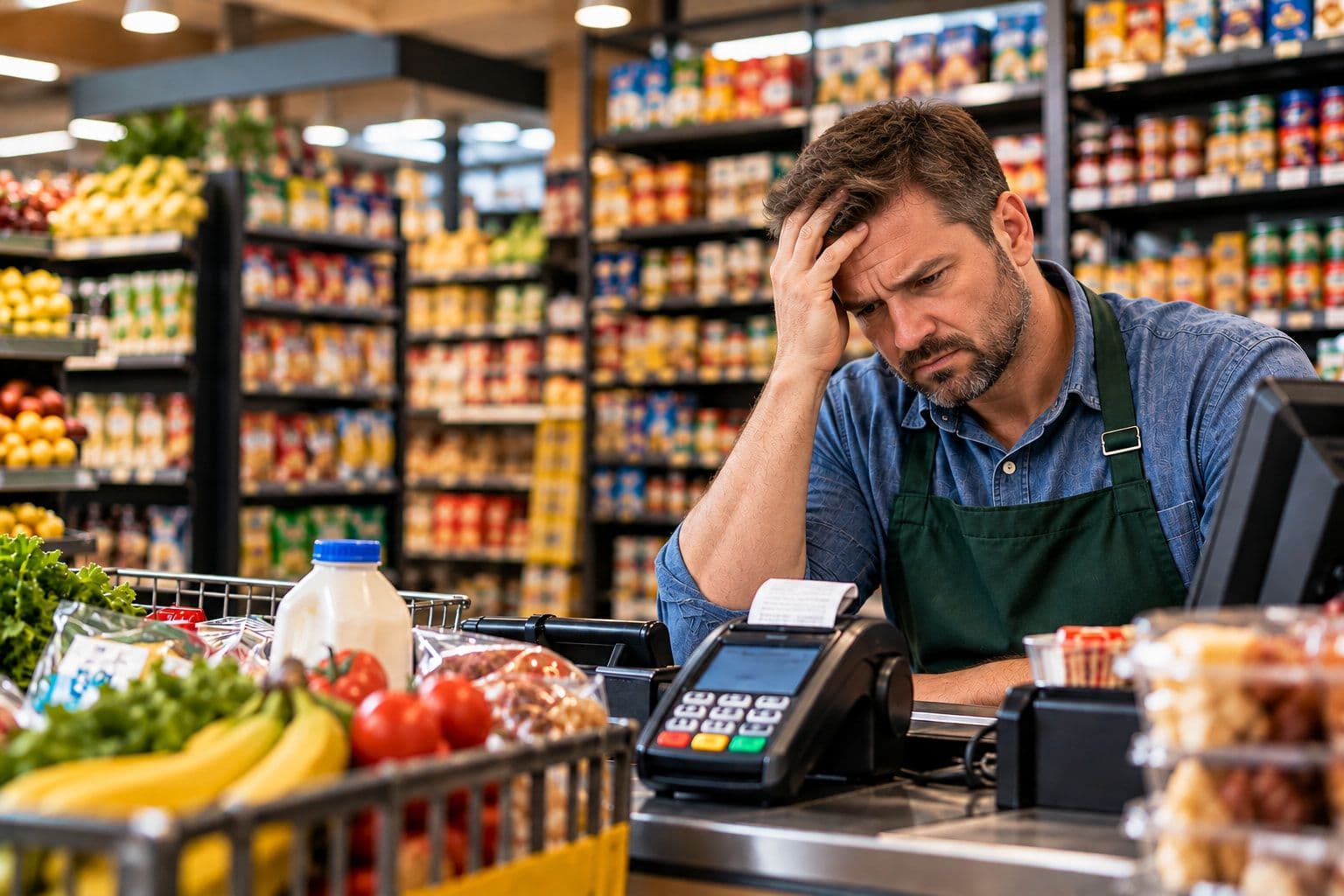
Grocery checkout is more complicated than it looks
A grocery transaction may appear simple:
- Scan products.
- Accept payment.
- Print receipt.
But behind every transaction is a complex operational system.
Independent grocery merchants must manage:
- Thousands of products
- Changing prices
- Multiple payment methods
- Inventory challenges
- Thin profit margins
Mixed baskets create complex payment requirements
A single transaction may include:
- Grocery items
- Household products
- Prepared foods
- Restricted products
The POS must understand different products and payment rules.
EBT support requires more than payment acceptance
For grocery merchants, EBT is not just another payment option.
The system must support:
- Eligible products
- Transaction rules
- Proper tender handling
- Accurate reporting
Scales and inventory are part of checkout
Fresh food creates additional challenges.
Merchants need technology that supports:
- Weight-based products
- Produce pricing
- Inventory updates
- Accurate checkout calculations
Thin margins require smarter operations
Independent grocers compete in a difficult environment.
They need technology that helps them:
- Reduce operational errors
- Improve visibility
- Manage inventory
- Understand sales performance
Why grocery shaped the platform
Building technology for grocery forces a platform to solve real merchant problems.
The requirements are demanding, but the lessons apply across retail.
Conclusion
Independent grocery is one of the toughest environments in payments because success requires more than processing transactions.
It requires understanding how merchants actually operate.