

White Label ·
What Banks Get Wrong When They Buy a POS Platform
Five questions to ask before putting your brand on someone else's software.
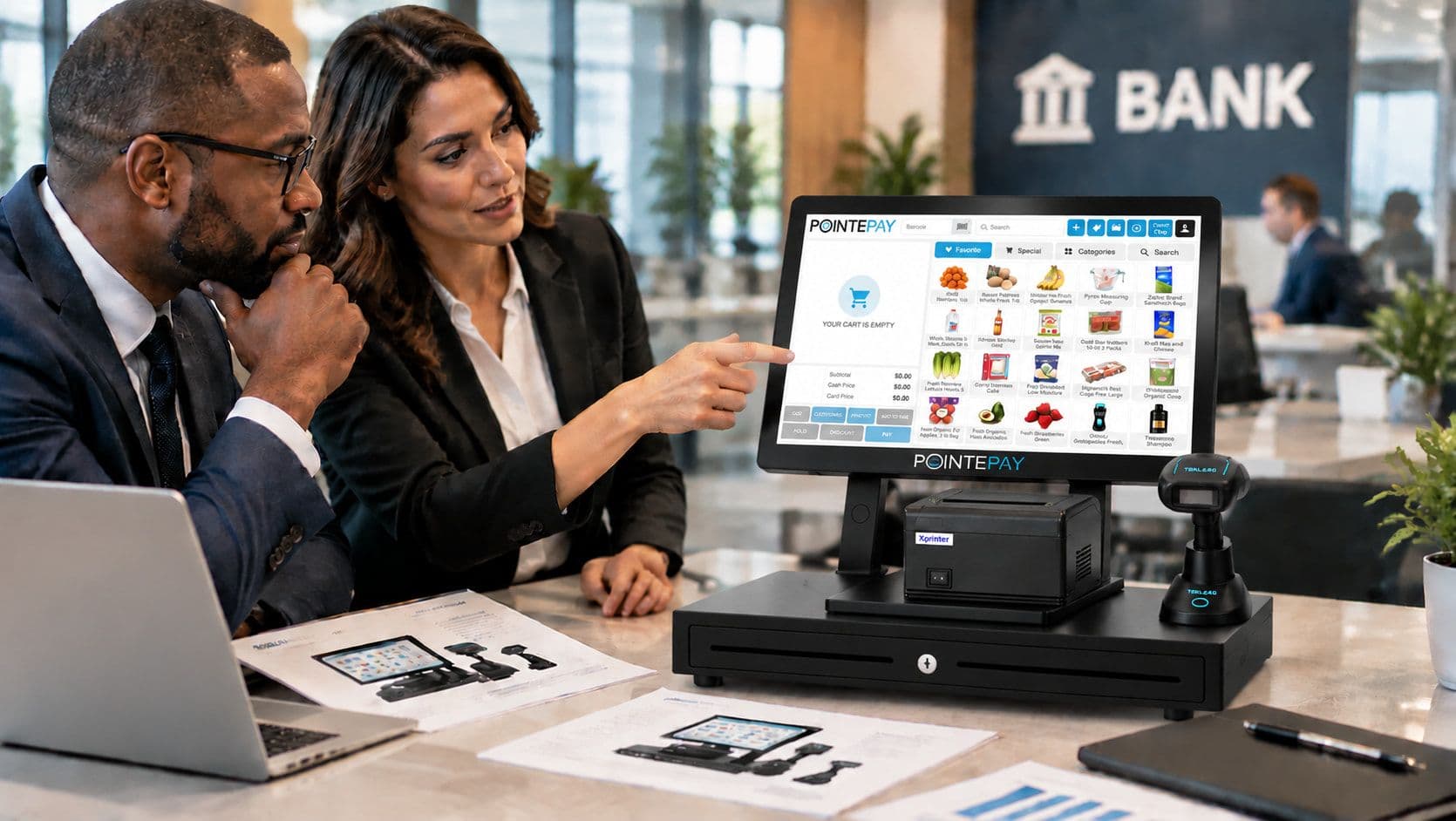
A POS platform is not just a payment device
Many financial institutions see POS technology as a natural extension of their payment services.
However, successful merchant solutions require more than:
- Hardware
- Payment processing
- A branded interface
A true merchant platform must support the daily operations of businesses.
Question 1: Is the platform built for merchants or only transactions?
A POS system must support the entire merchant workflow:
- Sales
- Inventory
- Reporting
- Employee management
- Customer engagement
- Business insights
Payments are only one part of the merchant relationship.
Question 2: How much control does the brand actually have?
A white-label partnership should allow organizations to create a branded experience.
Important considerations:
- Custom branding
- User experience control
- Merchant onboarding
- Customer support ownership
- Reporting visibility
Question 3: Can the platform scale across industries?
Different merchants have different requirements.
A grocery store needs:
- Inventory management
- Barcode scanning
- Scales
- EBT support
A restaurant needs:
- Table management
- Ordering workflows
- Tips
A specialty retailer needs:
- Product management
- Customer engagement
The platform must support different vertical needs.
Question 4: Who owns the merchant relationship?
A white-label strategy should clarify:
- Who supports merchants?
- Who manages upgrades?
- Who controls data?
- Who handles onboarding?
The technology partnership should strengthen the brand relationship, not create dependency.
Question 5: Is the platform designed for long-term innovation?
Technology changes quickly.
Banks should evaluate:
- API capabilities
- Integration flexibility
- Payment expansion
- New commerce features
The right partner should support future growth.
Conclusion
A successful white-label POS strategy is not about putting a logo on hardware.
It is about delivering a complete merchant operating experience under your brand.